Author: Joe

  • How I Enhanced My Spanish Knowledge in Just 4 Weeks

    By the end of Week 3 in my 8-week Spanish plan, I noticed something shift: I found a better rhythm.

    Up to this point, I had been adjusting to the pace and structure of my language learning schedule—figuring out what worked in practice, not just in theory. This week’s focus was on navigating the airport in Spanish. The topic felt immediately practical, which helped me stay motivated, even when the work itself wasn’t always exciting.

    Here’s what my workflow looked like:

    • I gathered 50 target vocabulary words related to the airport theme. For each word, I added a definition and wrote an example sentence.
    • I uploaded the full set to Quizlet, which I’ve found super helpful for spaced repetition.
    • From there, I practiced reading and speaking each sentence out loud, recording myself and listening back.

    This part—especially the vocabulary drilling and sentence construction—was honestly the hardest. It’s slow. It’s methodical. And it lacks the instant gratification of apps like Duolingo or watching a fun Spanish show. But it works. Writing the words out by hand, pairing them with example sentences, and recording myself helped the language settle into my memory in a way that felt solid. Not sexy—but effective.

    What surprised me was how much hearing myself speak, mistakes and all, helped me get more comfortable. I’m trying to normalize the sound of my own voice speaking Spanish, no matter how imperfect. That’s hard at first, but it’s already paying off.


    Turning Vocab into Story: Where studying feels applicable

    Once I had internalized the vocabulary a bit, I moved on to my favorite part: creating and practicing a short story using those 50 words, with English translations under each line for support.

    This is where everything starts to click. I read the story. I rewrote it by hand. I recorded myself reading it out loud. Then I played it back while listening and following along. It was easier than the vocabulary drills, and I think that’s for two reasons:

    1. Familiarity breeds fluency By the time I hit the story, I had already seen these words multiple times. They weren’t strangers anymore.
    2. Stories bring language to life Instead of studying isolated words, I was now connecting them to scenes, characters, and situations. That context made everything more memorable and relevant.

    When I compare how I feel doing vocab drills versus storytelling, the difference is night and day. The drills build the foundation—but the story makes it feel worth it.

    Altogether, I spent about 2.5 hours on active Spanish practice using this structure in Week 3. If I include passive learning—like using LingQ (currently on a free trial) or listening to Spanish podcasts while walking or cleaning—it comes closer to 4 hours total. That feels sustainable for me.


    Entering Week 4: Shifting into Higher Gear

    For Week 4, I decided to increase my commitment and aim for 1 hour of focused study per day. The structure remains the same, but I’m building on the habits I’ve already formed.

    One key change for next week: I’m going to start to ease into the past tense in Spanish. I haven’t studied it yet, and I know that jumping into verb conjugations can be intimidating. But I want to approach it without pressure or deadlines. This way, I can explore new grammar naturally, adding it into my stories little by little. Then, after having seen and used the past-tense naturally, I will begin to study it more precisely. I’m hoping this to be an easier and more natural way of learning a tense.

    When you’re not in a classroom setting, there’s more time to make mistakes and linger on things you don’t quite get yet.

    New Technique: Speak, Act, Write

    Here’s a small but effective tweak I’ve made this week that’s helping a lot:
    Before I write a sentence down, I say it out loud. Then I act it out if I can—using gestures, facial expressions, or walking around. Only after that do I write the sentence down.

    This small change makes a big difference. It turns passive repetition into multi-sensory engagement. The vocabulary becomes physical, emotional, and more memorable. Plus, it makes the learning process way less dull. Sure, it takes longer than just writing things out quickly, but I retain the words better—and I actually enjoy the process more.


    What’s Working So Far

    • Structure reduces friction. I never sit down and wonder, “What should I do today?” I know my steps: vocab → example sentences → recording → story → recording → review.
    • Recording myself builds confidence. I’m less afraid of sounding awkward or making mistakes.
    • Tying language to stories makes the vocabulary stick. Stories activate emotional and visual memory in a way flashcards never can.
    • Adding gestures turns learning into something physical and memorable.

    What’s Still Hard

    • Drilling vocab is a slog. I haven’t found a way to make that part fun yet. But I’ve come to accept that not every step needs to be fun. Some of it just needs to work.
    • Tracking time can be tricky. I often forget to log passive listening, and sometimes I don’t realize how much I’ve actually done until I reflect at the end of the week.
    • Staying consistent on busy days is still a challenge. Life happens—but I try to at least get in 20 minutes so I don’t break the chain.

    Looking Ahead

    I’m halfway through my 8-week plan, and I feel good. Not fluent—but grounded. There’s momentum. The system I created is working, but more importantly, I enjoy it. Not every moment, but enough to keep going.

    In Week 5, I’m planning to:

    • Continue easing into past tense
    • Create more emotionally engaging stories (maybe with a mini character arc!)
    • Add short self-talk sessions in Spanish to build fluency in thinking

    If you’re also learning a language and feeling overwhelmed, try building your own weekly system—and be willing to adjust it as you go!

  • Effective Language Learning: My 8-Week Spanish Plan

    Like many of you, I find learning a language to be a hobby, a challenge, a marathon, and a puzzle all wrapped up into one adventure. Between connecting with different culutres and people or learning the history of the speakers, the rewards seem to be endless.

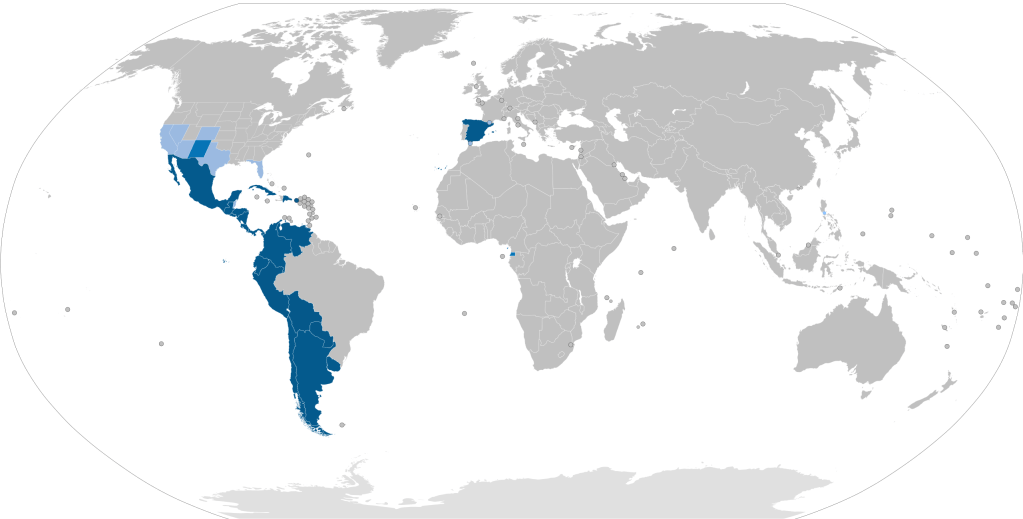
    Map of Spanish Speakers

    I’ve recently set out with a goal of becoming a english tutor. I hope to help those learning english feel welcome and support their journey. I have recently finished an online TEFL course and learned alot. I now feel better equiped to learn a language now that I understood more of the principles and techniques for teaching my native language.

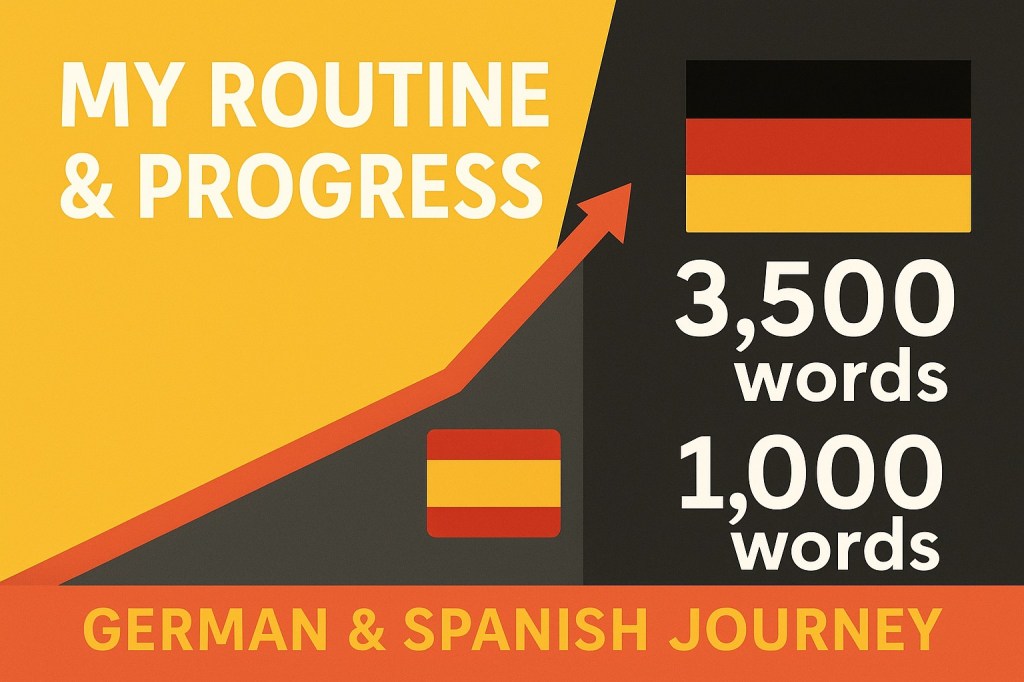
    I had been learning german for quite some time. I took it for three semesters in college and enjoyed passivly learing it in my free time through podcasts like EasyGerman, or t.v. shows like Kleo, and music such as Die Toten Hosen and Santiano. However, I decided I wanted to lean into my Spanish journey. I had taken one semester of it in college as an elective (it didn’t require papers or large projects or midterms). I decided to try and create a weekly routine that wasn’t too demanding, allowed for passive learning, and didn’t keep me stuck in one mode of learning. I figured myself an A1/A2 level and thought that I should make my first goal to reach a B1 level as defined by the Common European Framework of Reference for Languages (CEFR).

    Below, I’ve attached my plan below for 8 weeks of atleast 1 scheduled hour of learning a day. The main goal for these first 8 weeks is to add a more structed learning schedule that is outside of a college course. Next, I hope to find what works, what doesn’t work, and where are some key areas of my Spanish knoweldge that needs more attention.

    Weekly Plan

    DayTaskSkill Type
    MondayLearn 50 new vocabulary words with article, example sentence, and meaningReceptive (Reading) + Vocabulary
    TuesdayRecord yourself reading all 50 sentences aloudProductive (Speaking)
    WednesdayWrite 50 sentences using vocab + listen to story in Spanish onlyProductive (Writing)
    ThursdayWrite short story (50 sentences) including the week’s vocabularyProductive (Writing)
    FridayRecord yourself narrating the full story out loud (or perform it). Do this 2-3 times.Productive (Speaking)
    SaturdayPassive: listen to podcasts, music, watch content, review flashcardsReceptive (Listening or Reading)
    SundayOptional: same as Saturday OR reflection journal / vocab reviewMixed (Optional)

    Here’s how I found the first 2 weeks

    The first two weeks suprised me in how accessible this weekly plan was. I thought that it would be difficult to complete the activities to work on the skill types each day. And in some cases it was, however, I mostly found it quite doable and it inspired me to do even a little bit more learning outside of this schedule. I believe the key was to ensure that I did some sort of practice, even for just 10-15 minutes, in the morning before I left for work for the day. That made it much easier to come home and do another session or two of spanish in the evening. If I waited until the end of the day to do the full hour, it was quite difficult to find the motivation. Like anything, proper time management and minimizing procrastination is key.

    With that said, I have found personalizing my language learning as much as possible quite helpful in keeping an interest. If you’re constantly trying to understand what other people are saying, or what other people are telling you to understand, it can be difficult to maintain interest. Especially when you don’t undertand all the material. During these first 8 weeks, I am developing topics each week that I want to learn vocabulary and phrases for. I then turn these phrases into short stories to help myself visualize the phrases learned. As I become more proficient, I aim to make the stories more interesting, more in-depth, and more complex.

    Moving forward, I will break down each day throughout this plan and further describe what my weekly TL is, the activities to learn this target language, and what I would change with my plan in the future. Thank you for reading and I wish you the best of luck with your language learining journey!