Let’s talk about how AI is helping me develop my B2 German language skills
It feels like every piece of news lately is about artificial intelligence and how it’s making its way into every digital corner of our lives. Rightfully so, there is talk about how best to implement AI into classrooms and society. If we’re to take what experts say to be true, then historians generations from now will discuss its implications in the same light as nuclear energy and the industrial revolution. It will impact politics, resource management, and sociology for generations to come.
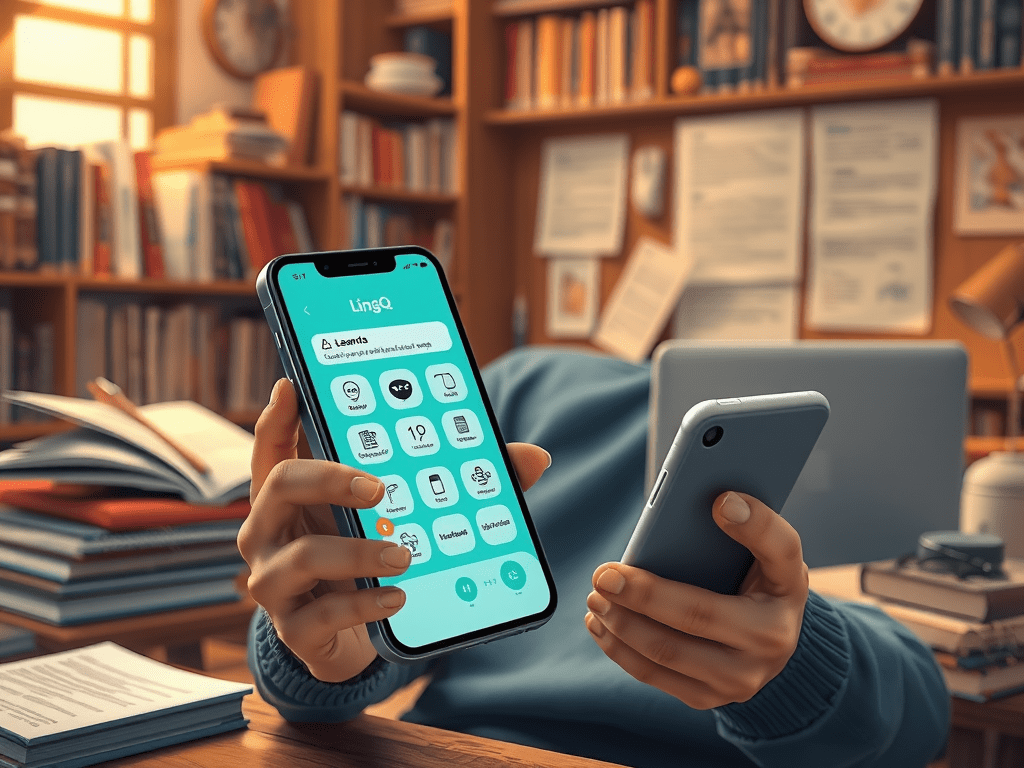
It’s impact on language learning is no exception (neither is the attempt to create a cover image for this blog post). Since so much modern language content is already digital, AI has naturally found its place there as well.
So how exactly is AI helping me?
Let me give you a concrete example.
Lately, I’ve been doing much of my German learning on an app called LingQ. I find it to be one of the best ways to consume large amounts of comprehensible input. There has been a lot of discussion in the language learning world about how comprehensible input is foundational to acquisition, and I’ve personally found that increasing my vocabulary through meaningful exposure keeps me motivated and moving forward.
What’s powerful about LingQ is that you can upload your own content. You can import transcripts from YouTube or Netflix, add Word documents, or paste in text directly. That flexibility opens the door for AI integration.
Here’s what I’ve been doing:
I use AI tools like ChatGPT or Gemini to create targeted grammar lessons for me in German. For example, if I’m working on a specific topic like werden vs. würden or the Konjunktiv II, I’ll ask AI to:
- Introduce the grammar topic clearly
- Provide example sentences
- Embed the structure inside a short story
- Increase the complexity gradually
Then I upload that lesson into LingQ.
What makes this combination powerful is that LingQ allows instant sentence translation. If I’m unsure about nuance, I can quickly check the English equivalent to understand when and why a structure is used. German sentence structure is different from English, especially with word order and subordinate clauses, so being able to dissect sentences carefully is extremely helpful.
As a native English speaker, sentence structure is one of the biggest hurdles in German. Moving from B1 to B2 means gaining control over conditionals, connectors, and more complex clause construction. AI allows me to focus precisely on what I need to improve.
Instead of searching through random lessons hoping someone covers the topic I’m struggling with, I can generate exactly what I need, instantly.
That level of customization is new.
Another way AI helps is through features built directly into language apps. LingQ, for example, has an AI voice tool. When I upload a short story or grammar lesson, it can generate a natural-sounding audio file. That means I can:
- Listen while walking or driving
- Read and listen simultaneously
- Reinforce pronunciation
- Improve rhythm and intonation
This combination of reading and listening strengthens comprehension significantly. It turns a static text lesson into an immersive experience.
So for me, AI works on two levels:
- External AI tools like ChatGPT or Gemini help me generate structured lessons and ask specific grammar questions.
- Built-in AI features inside language apps enhance input, audio, and interaction.
I’m not using AI to do the thinking for me. I’m using it to design more intentional practice.
Instead of passively consuming whatever content is available, I’m building targeted lessons around my weaknesses. That feels efficient and deliberate. And at the B2 level, deliberate practice matters.
AI doesn’t eliminate the need for real conversations or human interaction. It is still my goal to be able to connect with people in my target language. But it dramatically lowers the friction between identifying a weakness in that targtet language and practicing it.
And for an intermediate learner trying to move from understanding German to expressing themselves in it — that makes all the difference.

 Next Adventure Languages